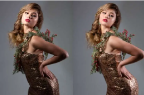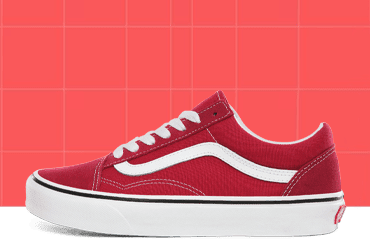




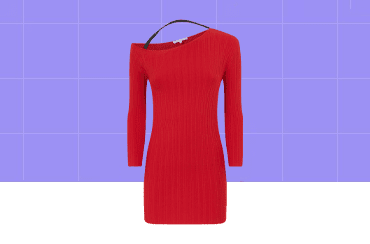
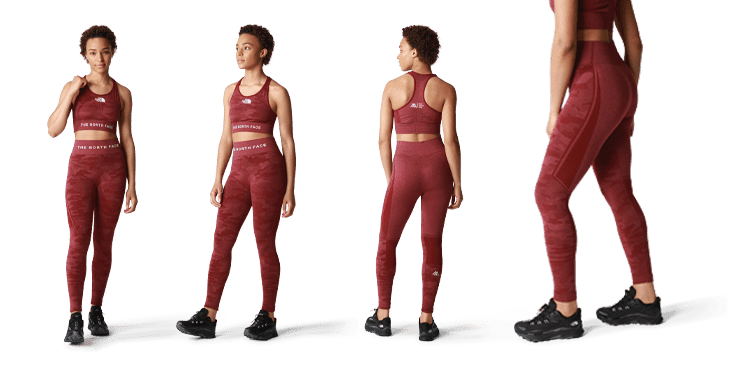
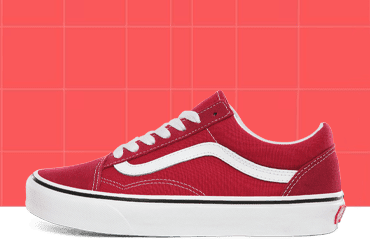




If your product photos still look like they were shot on a mannequin, in a hurry, under fluorescent lighting, you’re losing customers before they even read your product description. Shoppers scroll fast. A wrinkled mannequin neckline or a stiff, lifeless garment photo is enough to make them click away to a competitor whose listing looks polished and trustworthy.

This is a real problem for clothing brands selling online. Mannequin photography looks bulky and unnatural. Flat lay photos can hide fit and shape. And without consistent, professional images across your catalog, your store can look amateurish even if your products are excellent.

The fix that most established apparel brands use is the ghost mannequin effect. It’s a photo editing technique that makes clothing look like it’s worn by an invisible person, showing the natural shape, drape, and fit of the garment without any mannequin, hanger, or model visible in the final image. This article explains exactly what the ghost mannequin effect is, how it’s created, and why outsourcing it to a dedicated service like Image Editing Asia makes more sense than trying to handle it in-house.

What Is the Ghost Mannequin Effect?

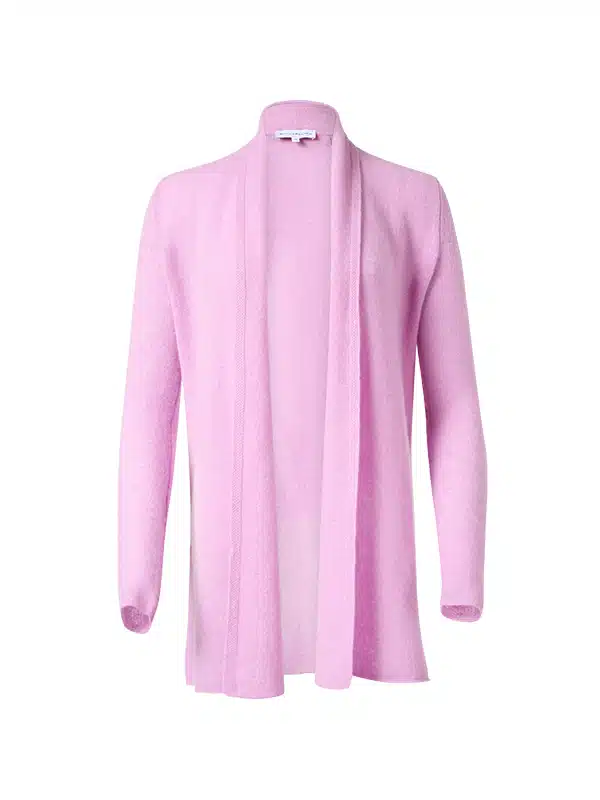
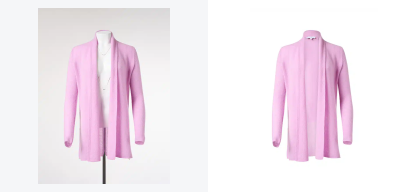
The ghost mannequin effect, also called the invisible mannequin effect or hollow man effect, is a product photography editing technique where a garment is photographed on a mannequin and then digitally edited to remove all visible traces of that mannequin, leaving behind a clean, three-dimensional shape of the clothing as if it were worn by an invisible person.

The result is a product image that shows the true fit, drape, and structure of a garment, something flat lay photography and ghost-on-hanger shots simply can’t capture as effectively. It’s the standard used by major fashion retailers because it gives shoppers a realistic sense of how a piece of clothing will actually look when worn.

Why Clothing Brands Need the Ghost Mannequin Effect

A garment photographed flat on a table or hung on a rack doesn’t tell the full story. Customers can’t see how a jacket falls on the shoulders, how a dress moves at the waist, or how a shirt collar sits. The ghost mannequin effect solves this by preserving the three-dimensional shape of the product while removing the distraction of a visible mannequin or model.

Improves perceived product quality

Clean, dimensional product photos signal that a brand cares about presentation. When every item in your catalog has that same polished, professional look, customers subconsciously associate that quality with the product itself, not just the photo.

Increases conversion rates and reduces returns

Customers are more likely to buy when they can clearly see fit and shape. Clearer expectations at the point of purchase also mean fewer surprises when the package arrives, which translates into fewer returns and exchanges, a real cost saver for apparel sellers operating on thin margins.

Creates a consistent, professional catalog look

Marketplaces like Amazon, Shopify stores, and fashion e-commerce sites all benefit from visual consistency. A unified ghost mannequin look across hundreds or thousands of SKUs makes a catalog feel curated rather than thrown together.

Before and after shirt presentation

How the Ghost Mannequin Effect Is Created

Creating the ghost mannequin effect involves both a photography step and an editing step. Here’s how the process generally works.

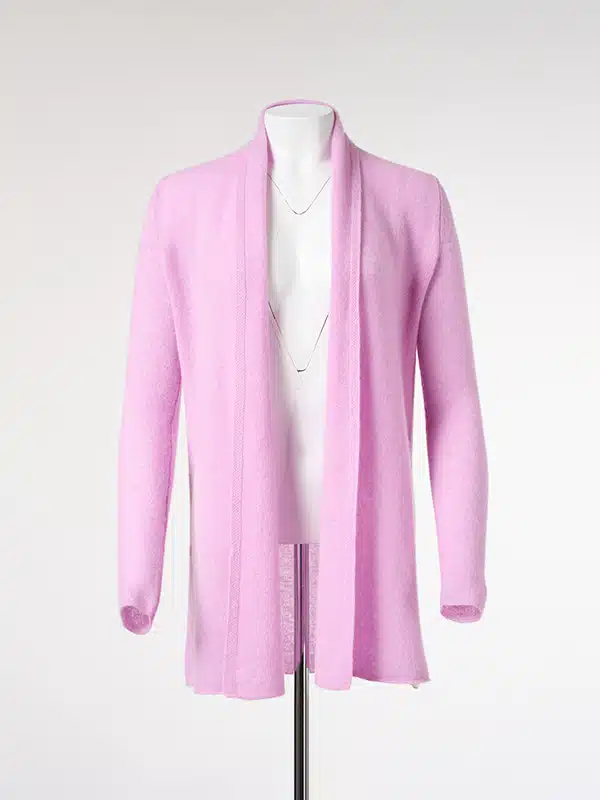
  1. Multiple shots of the garment. A photographer shoots the clothing item on a mannequin from several angles, then removes the mannequin (or photographs the interior of the collar, the inside back of the neckline, and other hidden areas) to capture the parts of the garment that would otherwise be hidden.
  2. Capturing the interior details. Additional shots are taken of the inside of the collar, sleeves, or waistband so the final composite image shows depth, like you’re looking inside the garment, even though no one is wearing it.
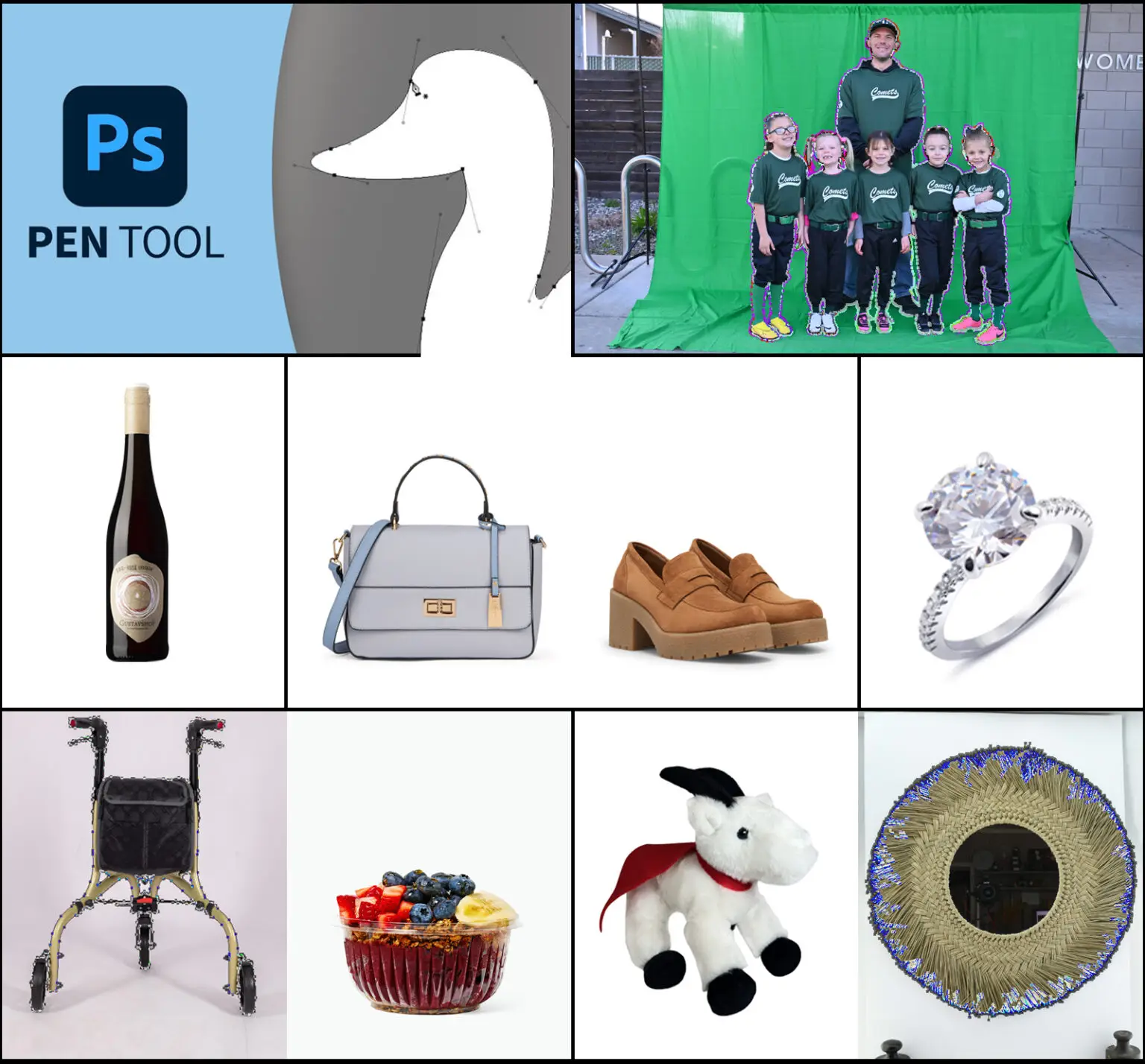
  3. Image masking and clipping. An editor uses image masking and clipping path techniques to isolate the garment from the mannequin in each shot.
  4. Neck joint and seam blending. The trickiest part of the process is the neck joint, where the interior collar shot is blended seamlessly with the exterior shot so there’s no visible seam or color mismatch. This step requires a steady, experienced hand.
  5. Color correction and retouching. The final image is color-corrected, cleaned of dust or wrinkles, and retouched so the garment looks consistent with the rest of the catalog.
  6. Background and export. The finished image is placed on a white or transparent background and exported in the file format needed for the brand’s website or marketplace listings.

Done well, this process is invisible to the customer. They simply see a clean, realistic image of the garment with no idea how many editing steps went into it.

Ghost Mannequin vs Flat Lay vs Live Model Photography

Each photography style has its place, but they serve different purposes.

  • Ghost mannequin shows true 3D shape and fit without the distraction of a visible mannequin or model. Best for hero product shots on listing pages.
  • Flat lay is faster and cheaper to produce, useful for social media or styling content, but it flattens the garment and hides how it actually fits a body.
  • Live model photography shows how clothing looks on a real person, which helps with sizing context and lifestyle appeal, but it’s more expensive to produce and harder to keep visually consistent across a large catalog.

Most successful apparel brands use a mix of all three, with the ghost mannequin effect as the primary format for catalog and listing images.

Why Outsource Ghost Mannequin Editing Instead of Doing It In-House

The neck joint blend and shadow work involved in a clean ghost mannequin image take real skill. An in-house team without dedicated photo editors often spends hours per image trying to get a seamless result, and the output can still look inconsistent from one product to the next.

Outsourcing to a specialized ghost mannequin effect service solves three problems at once: it frees up internal staff to focus on the business instead of pixel-level editing, it guarantees a consistent look across the entire catalog because the same trained editors handle every image, and it’s typically more cost-effective at scale than hiring and training an in-house retouching team.

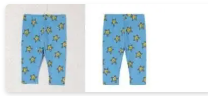
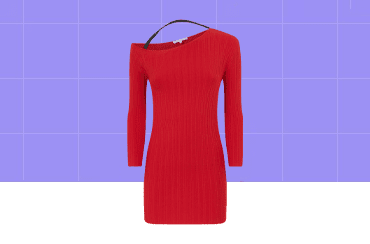
Before and after garment edit

What to Look for in a Ghost Mannequin Effect Service Provider

Not all photo editing providers are equal. When evaluating a service, look for:

  • Sample work specific to ghost mannequin editing, not just general photo retouching
  • Turnaround time that fits your catalog size and launch schedule
  • Bulk pricing if you’re processing large product volumes regularly
  • Revision policy in case the first edit needs adjustments
  • File format flexibility, including transparent PNGs for marketplaces that require them
  • Clear communication and an easy way to submit raw images and briefs

Common Mistakes Brands Make With Ghost Mannequin Photography

Even brands that understand the value of the ghost mannequin effect often run into avoidable issues:

  • Skipping interior shots. Without a photo of the inside collar or waistband, editors can’t create a believable neck joint, which results in a flat, two-dimensional looking final image.
  • Inconsistent lighting between shots. If the mannequin shot and the interior detail shot are lit differently, the blend will be visibly mismatched.
  • Using low-resolution source images. Editors can only work with what they’re given; blurry or low-res photos limit how clean the final result can look.
  • Treating it as a one-time task. Brands that only apply the ghost mannequin effect to a handful of hero products, while leaving the rest of the catalog inconsistent, lose the visual cohesion that makes the technique valuable in the first place.

How Image Editing Asia Delivers Ghost Mannequin Editing for Clothing Brands

Image Editing Asia specializes in ghost mannequin photo editing for apparel brands, online stores, and fashion marketplaces that need a consistent, professional look across their entire catalog. The team handles the full editing process, from neck joint blending to color correction and background cleanup, so brands can submit raw mannequin shots and receive listing-ready images without building an in-house editing team.

Whether you’re processing a handful of new arrivals each week or editing thousands of SKUs for a catalog migration, working with a dedicated service means every image meets the same quality standard. You can explore sample work and request a quote at imageeditingasia.com.

👉 Ghost Mannequin Service
👉
clipping path services
👉
product photo editing pricing

Frequently Asked Questions

What is the ghost mannequin effect in photography? The ghost mannequin effect is a photo editing technique that removes a mannequin from a clothing photo so the garment appears to be worn by an invisible person, showing its true shape and fit.

How long does ghost mannequin editing take? Turnaround time depends on volume and complexity, but a professional service typically delivers edited images within 24 to 72 hours for standard batches, with faster options available for urgent requests.

Is ghost mannequin editing the same as clipping path? No. Clipping path is a technique used to isolate an object from its background, and it’s often one step within the larger ghost mannequin editing process, which also includes neck joint blending, masking, and retouching.

Can ghost mannequin editing be done without professional photography equipment? Basic equipment can work, but the result depends heavily on getting clear, well-lit mannequin and interior detail shots. Brands without studio experience often get better results by following a shot list provided by their editing service.

How much does a ghost mannequin effect service cost? Pricing varies by provider and image complexity, typically charged per image with discounts for bulk orders. It’s best to request a quote based on your specific catalog size and requirements.

Conclusion

The ghost mannequin effect isn’t just a cosmetic upgrade, it’s a practical way to show customers exactly what they’re buying, which builds trust, lifts conversion rates, and cuts down on returns. For clothing brands serious about how their catalog looks and performs, outsourcing this work to an experienced provider is usually faster, more consistent, and more cost-effective than building the skill in-house.

If you’re ready to give your product catalog a clean, professional, conversion-ready look, Image Editing Asia can handle your ghost mannequin editing from raw shots to listing-ready images. Reach out for a sample edit or a quote based on your catalog size.