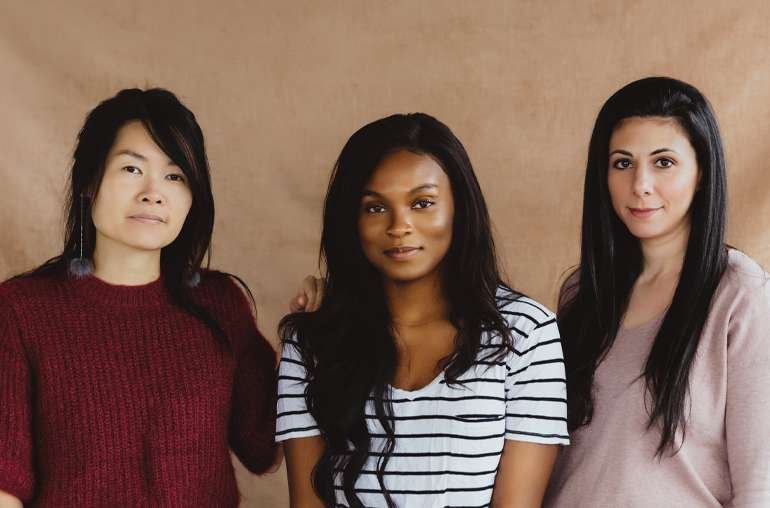
Digital commerce has profoundly changed fashion. Shoppers now meet clothes through screens first, and that makes three things work together: the model who shows fit, the photography that captures it, and the editing that finishes it. When all three align, fashion listings feel trustworthy and easy to buy from. When they do not, even good garments look uncertain.
The importance of e-commerce in fashion
Online fashion removes the fitting room, so images must answer fit, fabric, color, and detail questions. Stores that show garments clearly, from several angles and in true color, give shoppers the confidence that a physical store used to provide through touch and trying on.
Role of fashion models in e-commerce
Types of fashion models
Different models serve different purposes: studio models for clean catalog consistency, lifestyle models for brand stories, and diverse body types for fit honesty across a real customer base. The right choice depends on the garment and the shopper it is made for.
Impact of models on consumer behavior
Models show drape, movement, and proportion in ways flat images cannot. A garment on a person helps shoppers imagine it on themselves, which supports decisions and reduces fit-related returns when the model range reflects real customers.
Diversity and representation in fashion modeling
Showing a range of sizes, skin tones, and ages is both fair and practical: shoppers buy more confidently when they see someone closer to their own shape and tone wearing the garment.
Product photography in e-commerce
Techniques for effective product photography
Effective fashion photography uses consistent framing, even lighting, and a shot list per garment: front, back, side, detail, and fabric close-up. Ghost mannequin shots complement model shots by showing shape without a person, which keeps catalogs consistent.
Lighting and composition
Soft, even lighting shows true color and fabric texture. Composition should keep the garment central with balanced margins, so listings look uniform and thumbnails stay readable.
Equipment needed for e-commerce photography
A stable camera setup, even studio lighting, a clean background, and a suitable mannequin for ghost mannequin views cover most fashion catalog needs. Fixed positions and manual settings keep batches consistent.
Photo editing and retouching services
Overview of photo editing techniques
Fashion editing covers background removal, color correction, shape cleanup, and retouching. Each step has one goal: show the real garment accurately and consistently.
Common retouching services for fashion images
Common work includes skin retouching that keeps texture natural, fabric cleanup for wrinkles and lint, color matching across views, and background standardization. The standard is natural: polished, but still clearly the same person and garment.
Before and after: the impact of retouching
Before and after comparisons show why editing matters: cleaner backgrounds, truer color, and visible detail turn a rough studio shot into a listing shoppers trust, without changing the garment itself.
FAQ
Do I need both model shots and ghost mannequin shots?
Many brands use both: model shots for fit and story, ghost mannequin shots for catalog consistency and shape.
How natural should fashion retouching look?
Natural enough that the person and garment are still recognizable, with texture kept and no plastic or waxy finish.
Why does color matching matter so much in fashion?
Because color mismatch is a top cause of fashion returns. True color across all views sets correct expectations.
Related services