Ghost Mannequin
Ghost Mannequin Effect Service for Clothing Brands: What It Is and Why You Need It
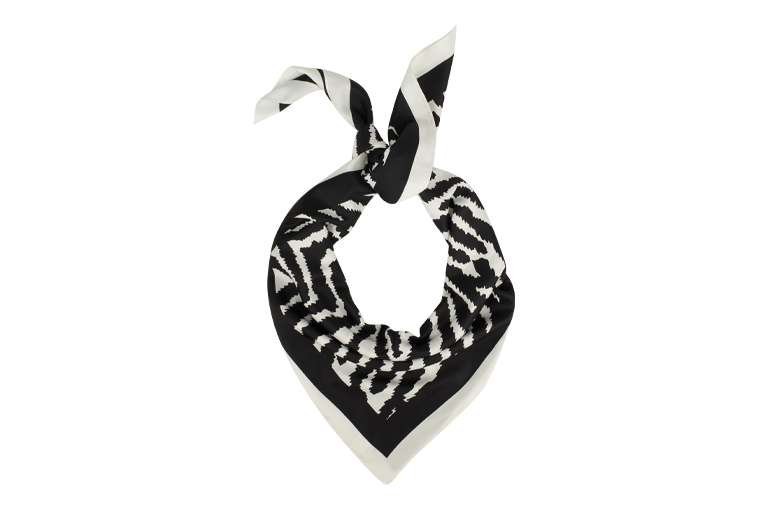
The ghost mannequin effect, also called invisible mannequin, makes clothing look as if it is worn by an invisible person. The garment shows its natural shape, fit, and drape, with no model or mannequin visible. If your product photos still look like they were shot on a mannequin in a hurry, this is the technique that fixes that flat, lifeless look.
What is the ghost mannequin effect?
It is created from several photos of the same garment: front and back views on a mannequin, plus inner views of areas such as the neckline and cuffs. In post-production, the mannequin is removed and the inner views are joined at the neck joint and other openings, so the garment holds a realistic three-dimensional shape. The result looks worn, but no wearer is shown.
Why clothing brands need the ghost mannequin effect
It improves perceived product quality, because shoppers see fit, shape, and drape instead of a flat garment. It supports conversions and reduces returns, because shoppers understand what they are buying and are less surprised on delivery. It also creates a consistent, professional catalog look, since every garment is presented the same way regardless of who shot it.
How the ghost mannequin effect is created
The process starts with careful photography: the garment is styled on a mannequin with consistent lighting and framing, and inner views are captured for the neckline and other openings. Editing then removes the mannequin, assembles the views with clean neck joint work, corrects color, cleans wrinkles and dust, and places the result on a consistent background. Symmetry and alignment checks keep the garment looking natural, not stretched or warped.
Ghost mannequin vs flat lay vs live model photography
Flat lay shows garments laid flat, which is simple and cheap but hides fit and drape. Live model photography shows fit on a real person, but costs more and introduces variation between models and shoots. Ghost mannequin sits between them: it shows shape and fit consistently, at lower cost than model shoots, and it works for full catalogs.
Why outsource ghost mannequin editing instead of doing it in-house
Ghost mannequin work needs precise neck joint assembly, symmetry control, and color matching across hundreds of garments. A dedicated editing team applies the same standard to every item, while in-house teams often struggle to keep that standard at volume. A test batch in your own apparel category is the fairest comparison.
What to look for in a ghost mannequin effect service provider
Look for neck joint samples, front and back view consistency, natural fabric texture, and color accuracy. Check how wrinkles are handled: softened, not erased. Confirm background standards, file delivery, and revision terms before a large batch.
Common mistakes brands make with ghost mannequin photography
Common mistakes include skipping inner views, which makes necklines look hollow or wrong, inconsistent lighting between views, and over-smoothing fabric until it looks stiff. Another is mixing ghost mannequin and flat lay images for the same product line, which breaks catalog consistency.